




AI and Automation – Should You Be Worried or Excited?
Artificial Intelligence (AI) and automation are no longer futuristic ideas; they are here, shaping industries, transforming businesses, and redefining the way we work.
From self-driving cars to intelligent chatbots and automated manufacturing, these technologies are revolutionizing every field.
But with this rapid evolution comes a big question:
Should we be worried or excited about AI and automation?
The Concerns: Why People Fear AI and Automation
It’s natural to feel uneasy when new technologies disrupt the status quo. Here are some common concerns about AI and automation:
1. Job Displacement
The biggest fear is job loss.
Machines and algorithms can now perform repetitive tasks that were once human-driven from data entry to customer support. Studies predict that millions of jobs could be replaced by automation in the coming decades.
2. Loss of the Human Touch
AI chatbots and automated customer service can feel impersonal. Many worry that automation might remove the empathy, creativity, and intuition that only humans can provide.
3. Ethical and Privacy Concerns
AI brings complex issues of bias, privacy, and accountability.
If a machine makes a mistake, who is responsible the programmer, the company, or the algorithm itself?
4. Fear of the Unknown
Change often breeds uncertainty. Some fear that AI could evolve beyond human control or be misused in ways that harm society.
The Opportunities: Why AI and Automation Are Exciting
Despite the concerns, AI and automation are opening doors to unprecedented innovation and opportunity.
1. Greater Efficiency and Productivity
Machines don’t tire, which means businesses can operate faster and more efficiently.
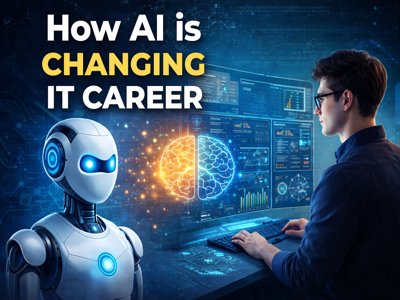
Automation frees humans to focus on creative, analytical, and strategic work.
2. Creation of New Job Roles
While some jobs are replaced, new roles are emerging AI trainers, data analysts, automation engineers, cybersecurity experts, and more.
History shows technology often creates more jobs than it eliminates.
3. Smarter Decision-Making
AI can analyze massive datasets to help businesses and governments make better decisions.
From predicting market trends to diagnosing diseases, AI is proving to be a powerful ally.
4. Enhanced Quality of Life
Automation minimizes human error and improves safety in healthcare, transportation, and manufacturing.
AI can detect diseases earlier, reduce road accidents, and make daily tasks more convenient.
A Balanced Perspective: Adapt, Don’t Resist
Instead of labeling AI as “good” or “bad,” the real question is:
How can we adapt to this new reality?
Here’s how individuals and organizations can prepare for the AI-driven future:
- Upskill and Reskill: Learn new-age skills in technology, data, and creative problem-solving.
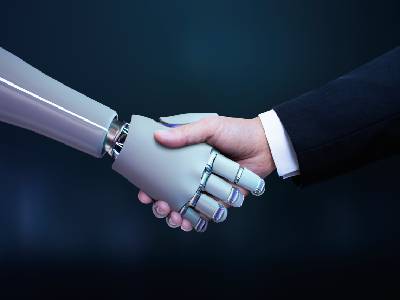
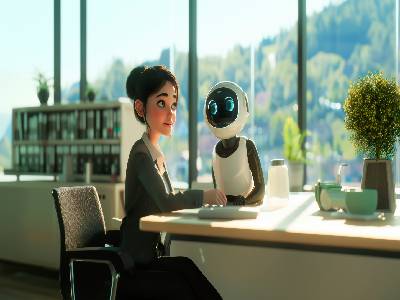
- Collaborate with AI: Treat AI as a tool to enhance human intelligence, not replace it.
- Embrace Lifelong Learning: Stay updated as technology evolves.
- Promote Ethical AI: Ensure fairness, transparency, and accountability in every application.
Final Thoughts
AI and automation are not threats, they are tools for progress.
Like every technological revolution, they bring both challenges and opportunities.
If we embrace this change with curiosity and adaptability, the future is full of potential.
So, instead of worrying, let’s prepare to ride the wave of innovation.
The future isn’t just automated, it’s human + AI working together.
For more details click here
To learn more about courses click here
For registration click here